
Math Lesson Plans for 2nd Grade
Math lesson plans for 2nd grade are essential for helping young learners build confidence and strong foundational math skills. At this level, students begin to deepen their understanding of numbers, develop problem-solving strategies, and apply math concepts to real-life situations. Well-structured lesson plans ensure that instruction is clear, engaging, and aligned with grade-level expectations, making math both meaningful and enjoyable for second graders.
Building Number Sense in Math Lesson Plans for 2nd Grade
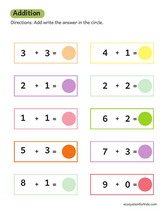
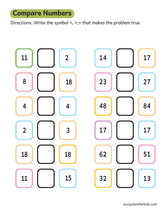
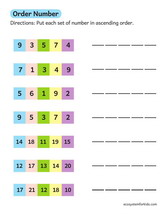
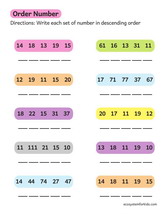
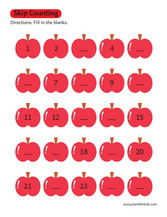
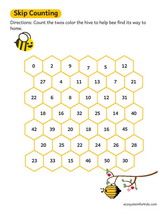
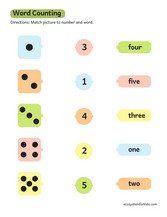
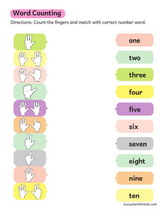
Math lesson plans for 2nd grade must place a strong and consistent emphasis on building number sense, as this skill is the backbone of all mathematical understanding in elementary school. At this stage, students are expected to move beyond basic counting and begin developing a deeper awareness of how numbers work, how they relate to one another, and how they can be represented in different ways. Effective lesson plans introduce numbers up to 100 and beyond through place value concepts, helping students clearly understand the role of tens and ones. This includes comparing numbers, ordering them, identifying patterns, and skip counting by 2s, 5s, and 10s. When students develop strong number sense early, they are better equipped to solve problems accurately and confidently.
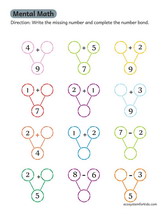
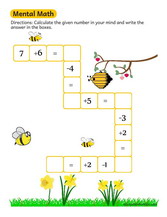
Well-designed math lesson plans for 2nd grade use a variety of visual and hands-on tools to make number concepts tangible and meaningful. Base-ten blocks, hundreds charts, number lines, and counters allow students to physically manipulate numbers, which is especially important for young learners who benefit from concrete experiences. Lesson plans should encourage students to represent numbers in multiple ways, such as standard form, expanded form, and word form, reinforcing flexibility in thinking. Daily warm-up activities, mental math exercises, and short review sessions help reinforce number sense while keeping lessons engaging and interactive. By consistently revisiting these concepts, math lesson plans for 2nd grade help students build fluency and a solid foundation for more complex operations.
Teaching Addition and Subtraction Strategies Effectively
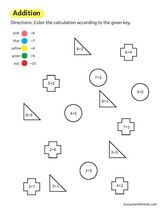
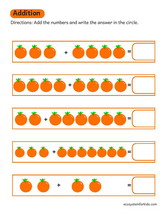
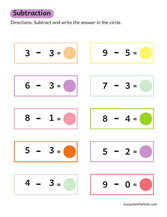
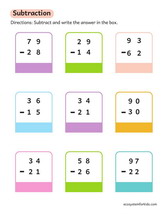
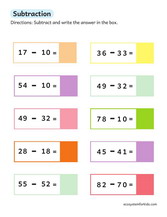
Addition and subtraction are central components of math lesson plans for 2nd grade, and instruction at this level should focus on understanding strategies rather than simple memorization. Students begin working with larger numbers and are introduced to regrouping, making tens, and breaking numbers apart to simplify calculations. Effective lesson plans guide students step by step through these strategies using visual models, drawings, and hands-on tools. Number lines, ten frames, and place value charts help students see how numbers change during addition and subtraction, making abstract concepts easier to grasp.
Math lesson plans for 2nd grade should also place a strong emphasis on solving word problems, as these tasks help students apply their math skills to real-life situations. Word problems encourage critical thinking, reading comprehension, and logical reasoning, all while reinforcing core math concepts. Lessons should include opportunities for guided practice where teachers model problem-solving strategies, followed by independent work that allows students to apply what they have learned. By encouraging students to explain their thinking verbally or in writing, math lesson plans for 2nd grade help develop mathematical communication skills and deepen conceptual understanding.
Incorporating Measurement, Time, and Money Concepts
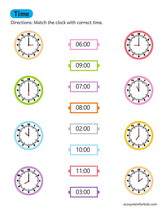
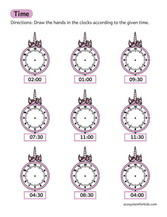
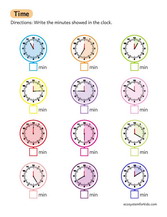
Measurement concepts play a key role in math lesson plans for 2nd grade because they connect mathematics to everyday life in a meaningful and practical way. At this level, students learn to measure length using both standard and non-standard units, compare measurements, and estimate sizes. Lesson plans often include activities that involve measuring classroom objects, which allows students to see how math applies to their surroundings. Telling time to the nearest five minutes and understanding the value of coins are also essential skills that help students develop independence and real-world problem-solving abilities.
High-quality math lesson plans for 2nd grade introduce data and graphing in simple yet engaging ways. Students learn to collect data, organize it, and represent it using bar graphs or picture graphs. These activities strengthen analytical thinking and help students interpret information visually. When lessons incorporate real objects, hands-on measurement tasks, and interactive discussions, students remain engaged and motivated. By integrating these practical concepts into daily instruction, math lesson plans for 2nd grade support a deeper understanding of how math is used beyond the classroom.
Using Geometry and Hands-On Activities for Deeper Understanding
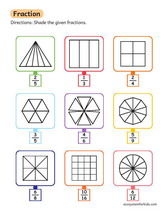
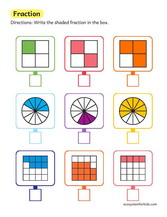
Geometry is an important area of focus in math lesson plans for 2nd grade, as it helps students develop spatial awareness and visual reasoning skills. At this stage, students learn to identify, describe, and compare two-dimensional and three-dimensional shapes based on their attributes. Lessons often cover sides, vertices, faces, and edges, as well as concepts such as symmetry and equal parts. Dividing shapes into halves, thirds, and quarters helps students build an early understanding of fractions, preparing them for future math concepts.
Hands-on activities are especially effective in geometry instruction, making math lesson plans for 2nd grade more engaging and memorable. Building shapes with blocks, drawing and coloring figures, and sorting objects by shape allow students to actively explore geometric concepts. These interactive experiences help reinforce learning and improve retention. When geometry lessons are combined with movement, creativity, and discussion, students gain confidence and develop a positive attitude toward math. Well-structured math lesson plans for 2nd grade ensure that geometry is taught not just as a set of definitions, but as an exploratory and meaningful part of the learning process.
FAQ
What topics should be included in math lesson plans for 2nd grade?
Math lesson plans for 2nd grade should include number sense, place value, addition and subtraction within 100, measurement, time, money, data representation, and basic geometry. These topics build a strong foundation and prepare students for more advanced math concepts in later grades.
How long should a 2nd grade math lesson be?
Most math lesson plans for 2nd grade are most effective when lessons last between 30 and 45 minutes. This timeframe allows for direct instruction, guided practice, independent work, and review without overwhelming young learners.
Are math lesson plans for 2nd grade suitable for homeschooling?
Yes, math lesson plans for 2nd grade work very well in homeschool settings. They can be easily adapted to fit flexible schedules, individual learning speeds, and hands-on teaching approaches that many homeschool families prefer.
How can I differentiate math lesson plans for 2nd grade?
Differentiation can be achieved by adjusting number ranges, using manipulatives, offering visual aids, and providing enrichment activities for advanced learners. Strong math lesson plans for 2nd grade include built-in flexibility to support diverse learning needs.
Why are hands-on activities important in 2nd grade math?
Hands-on activities help students understand abstract concepts by making them concrete. In math lesson plans for 2nd grade, tools like base-ten blocks, number lines, and measurement activities improve comprehension and long-term retention.